This article proposes a paradigm shift in project management, arguing that team speed is an insufficient and often misleading indicator of its real success. The text is structured around the concept of effectiveness, a synthesis that balances the achievement of objectives with the optimization of resources and the generation of real and sustainable value. By analyzing key metrics such as lead time, compliance with the Definition of Done and the distinction between output and outcome, the text teaches how to identify structural inefficiencies that go beyond technical capacity. Ultimately, the aim is to guide teams towards continuous improvement where quality and business impact prevail over simple speed of delivery.
This article proposes a paradigm shift in project management, arguing that the success of a work group should not be measured by its speed, but by real effectiveness based on the balance between quality and value provided. The article is structured around key metrics such as lead time, workboard integrity, and strict compliance with the Definition of Done, warning that prioritizing speed over these standards often generates technical debt and avoidable errors. The vital distinction between the simple volume of work completed and the real impact on the business is emphasized, remembering that a healthy work system also requires the satisfaction of the people involved. Ultimately, the purpose of these assessments is not to audit employees, but to use data as transparency tools to foster continuous and sustainable improvement within the organization.
This article highlights the role of the Scrum Master as a facilitator and guide who must go beyond technical support to understand the human needs of his team. Using the Moving Motivators tool, based on Jurgen Appelo’s Management 3.0 model, the text describes ten key factors, such as freedom, status or curiosity, that drive individual and collective commitment. The proposed methodological process uses a game of cards and visual maps to identify which values each member prioritizes and what their current degree of satisfaction is within the organization. The ultimate goal is for the facilitator to use this knowledge to drive efficiency and well-being, creating a shared vision that aligns personal goals with those of the project.
Este artículo aborda la agilidad en PYMEs desde una perspectiva poco idealizada y muy práctica. A partir del ejemplo de una empresa ficticia pero realista, se muestran situaciones habituales en pequeñas y medianas empresas: tensiones entre ventas y operaciones, sobrecarga de trabajo, márgenes inestables o dificultades de coordinación. El objetivo no es vender una metodología, sino ayudar a entender cómo pequeñas decisiones organizativas, de liderazgo y de gestión del trabajo pueden marcar la diferencia.
This article explores the nature of the Minimum Viable Product (MVP) as a learning strategy and not simply as a set of reduced features. The text clarifies that an MVP is, in essence, an experiment to validate hypotheses and reduce critical uncertainties, thus avoiding the risk of building products that do not provide real value. The author places special emphasis on distinguishing it from the Scrum framework, arguing that, although complementary, the MVP should not be “scrumized” or replace concepts such as the Sprint Goal.
He afegit un selecció de vídeos que parlen sobre aspectes interessants de l’agilitat. Vídeos sobre aspectes concrets o sobre la visió de l’agilitat des de perspectives diferents a l’habitual. Pots trobar una petita selecció una mica mes abaix en aquesta pàgina. I trobaràs tot el catàleg de vídeos a la secció de Documents
Actualització a desembre 2025. Descarrega imatges, enllaços a reels i infografíes sobre conceptes de gestió de projectes i agilitat. Per a les teves accions formatives i xerrades als teus equips.
Més enllaços interessants a eines, definicions i documents
Després de 4 anys, m’he decidit a actualitzar el repositori de fotografies






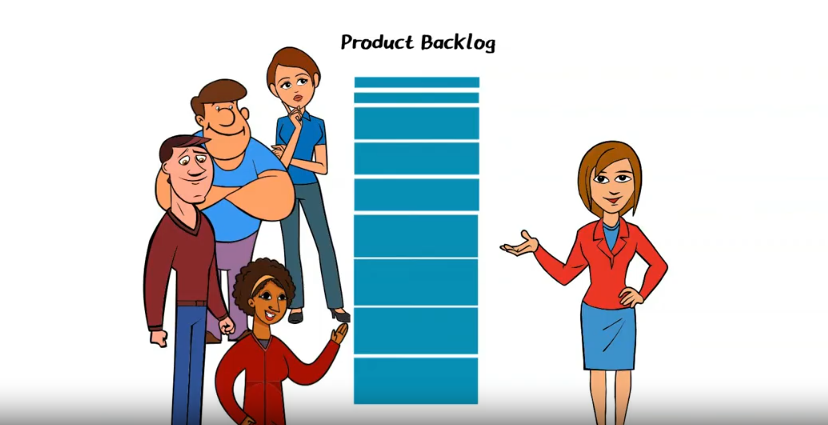
Facilitating Product Backlog Refinement
Facilitating Product Backlog Refinement. Scrum.org
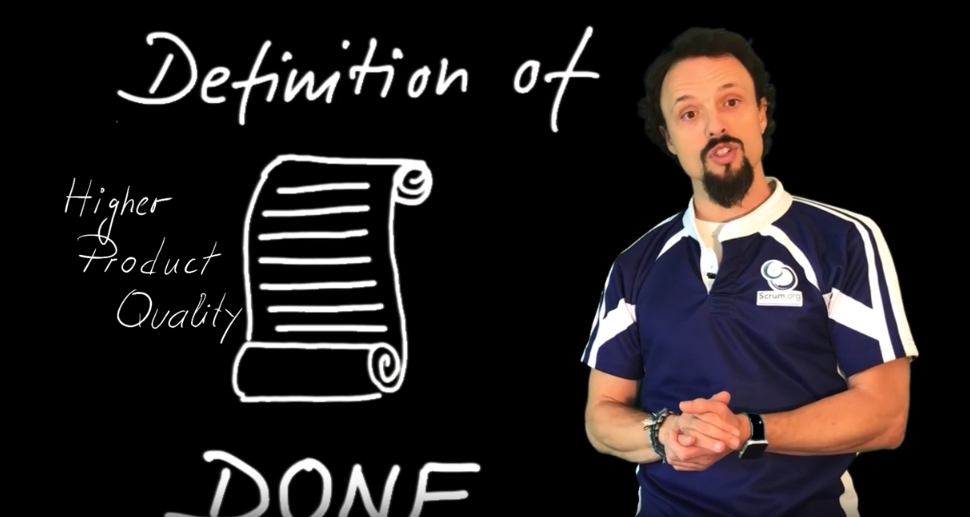
DoD & Acceptance Criteria
Scrum.org. Scrum Tapas. DoD vs Acceptance Criteria
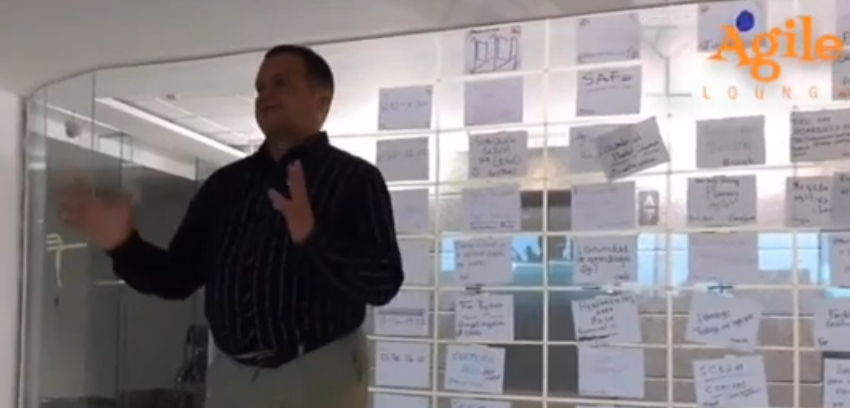
Mike Beedle
Desarrollo ágil con Scrum - Agile Lounge 2016
Mike Beedle
2ª parte - Desarrollo ágil con Scrum - Agile Lounge 2016

Introducción a la IA Copilot
...

La vida és...
Mostra personal de fotografies

Ohau Lake
Time lapse Ohau Lake - New Zealand - December 2018
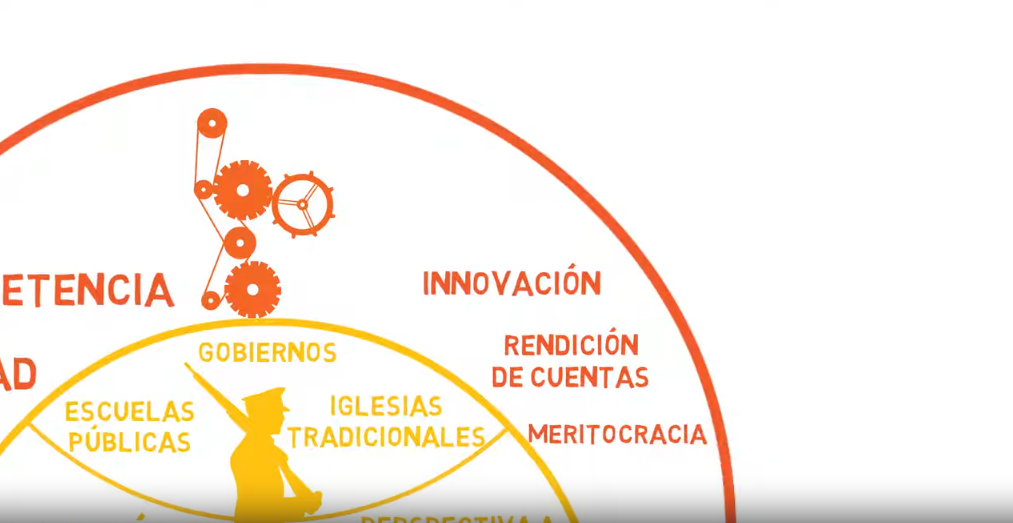
Reinventing Organizations
Frederic Laloux. Reinventing Organizations. Tipos de organización explicados

La fábula del cerdo y la gallina
Uno de los pocos vídeos en Youtube donde se explica bién y en castallano la fábula del cerdo y la gallina; y lo que quiere decir respecto a implicación y compromiso

The Expert: 7 red lines
Vídeo paròdia sobre comunicació

Tendencias en RRHH
Marcos de trabajo ágiles. Visión y tendéncias desde el aspecto de RRHH y organización
Over the years, I’ve worked across a wide range of technological and organizational environments, always with the same goal: understanding how people, processes and projects operate, and how they can be coordinated more effectively.
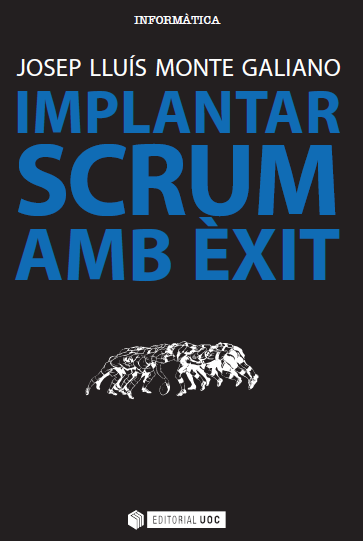
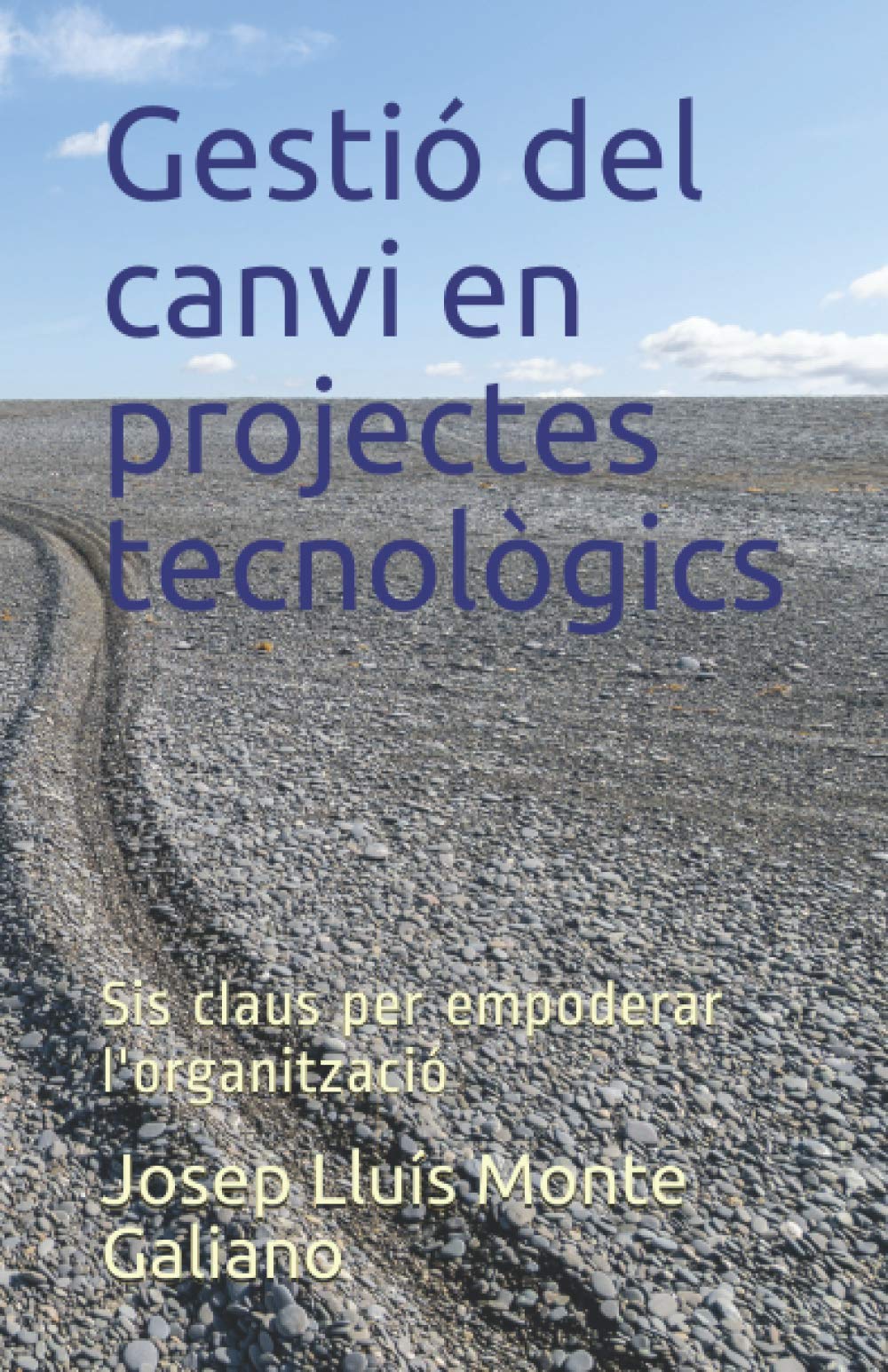
Alongside my professional activity, I’ve developed creative projects that have given me a different way to analyse and communicate. I’ve published two books —an exercise that requires consistency, synthesis and clarity— skills I apply directly to my work. Photography is another area that shapes me. It has taught me to pay attention to detail, light and nuance: the same attitude I bring when working with teams, processes or products.
This combination of technology, project management, writing and visual thinking defines my profile. A broad, rigorous and practical approach aimed at helping organisations evolve with intention and tangible results.
You can go to my Photo Gallery for see some of my creations.
Galeria fotogràfica
Contacte

(c) foto 2024, Gemma Saurina Rosell
![calaix[À]gil.com](/img/logo.png)